|
|
| |
Soil Types
Soil types vary from region to region and determining your soil type is paramount. In my area the soil is sandy therefore when creating new beds I always purchase excellent topsoil to create a solid foundation for flowers, shrubs, trees, bulbs and vines. Each year I top up the gardens with a mixture of one part topsoil, one part peat, one part compost and a few heaping handfuls of Bonemeal. This procedure provides a striking array of beautiful blooms and maintains a healthy garden bed for any specimen.
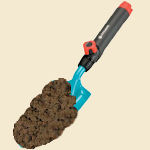 Clay Soils: are usually dark brown in color, sticky when wet and when digging new gardens clay soils resemble a feel similar to concrete. The digging is back breaking work but the upside of clay soil is they are rich in nutrients providing an excellent growing medium for your gardens.
Chalky clay soils do not retain water and create a problem for the gardener. They are heavy and cold however you can improve the chalky clay soil by spreading coarse sand, peat and compost. This remedy will help lighten the soil and provide a better foundation for plants with a root structure of no more than a foot and a half.
Clay soils with low chalk may be enhanced by adding lime. Lime should be mixed into the soil and may also be spread over the surface of the ground. It is important to note that the mixtures to improve the clay soil will only improve conditions to a depth of approximately a foot. For trees choose specimens that will flourish in clay soil as the roots must tolerate moist and heavy conditions.
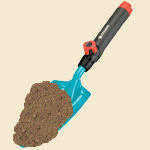 Sandy Soils: are fine grained and dry out quickly. My area is sandy and I am constantly adding organic matter, peat, compost, manure, fertilizer, Bonemeal and loads of good quality topsoil every spring and fall.
When sandy soil dries it is a real challenge to moisten especially during extremely hot summer months. Some areas need constant attention as the sandy soil allows water to wash away the nutrients. When acid is present in sandy soils this condition may be improved by adding garden lime.
Sandy soils warm up rapidly in spring and the soil is light and easy to dig, hoe and weed. Constantly improving the sandy soil has rewards as it is ideal for vegetables, bulbs, annuals and a large selection of conifers prefer sandy soil.
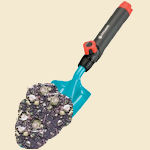 Chalky Soils: are light brown to white in color and contain a large amount of stones. Chalky soil blocks elements such as iron therefore they require additives to improve the conditions.
Chalky soil dries out quickly in summer and lacks nutrients. They are similar to sandy soils as they require fertilizer, compost, manure and possess high alkalinity content. This may cause problems with some plants causing the leaves to yellow, leaf loss and loss of the entire plant.
It is paramount to select plants that will tolerate chalky soil. Vegetables and a large array of perennials thrive in chalky soil.
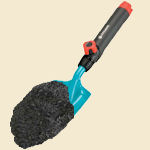 Humus-Rich Soils: are dark brown in color. They are light and retain moisture. Humus-Rich soils provide a wonderful structure for roots. They can be acidic and require a chalk-based soil improver. Humus-Rich soil is excellent for acid loving plants.
Humus-Rich soil warms up quickly in spring and is a wonderful soil to work with in any garden. This soil is often found in woodlands and is rich in leaf mould and well-rotted, organic waste.
The soil acidity may be reduced however the components of this soil are perfect for Hydrangeas, Rhododendrons, Azaleas, Camellias, Holly, Dogwood and Begonias.
The garden hand trowel featured in the above images is made by Gardena. It is made of high quality steel and comes with a 25 year warranty. In my opinion this is the best hand trowel on the market today. Over the years I have purchased numerous trowels and continually break them while gardening. I have two of these magnificent trowels which have served me well for approximately 20 years. Please Click Here to visit their site.
|
|
|
|
|


