|
|
| |
Bulbs
Do you know what I love about bulb planting? The modest beginner can create a floral fantasy following these easy steps. In the fall plant the bulb in a hole which is two or three times deeper than the width of the bulb. Plant all bulbs with the 'pointed' end up. Lay the bulbs in drifts. This means that when the flowers appear in spring, they will not be standing like little soldiers in straight lines, but instead the flowers will blend naturally into the landscape. Cover the bulbs with the original soil which was removed to create the hole. There is nothing more to do until the floral display is over.
I have planted various bulbs including Lilies, Tulips, Iris, Daffodils, Allium, Hyacinth and Gladiolus. The bulbs enhance your entire garden. The blooms are overwhelming with every color imaginable and in the spring the gardens are brimming with bulbs.
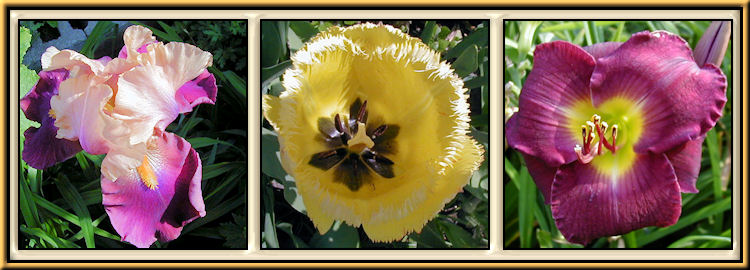
If the bulb is healthy and large this will determine the quality of the bloom. The skill of the gardener has little effect but as the years progress the gardener will determine the condition of the bulbs. With proper care the bulbs will flourish and multiply but with poor care the bulbs deteriorate quickly.
When planting your bulbs choose a well drained area with good soil. Bone Meal is a great fertilizer. After the bulbs flower the leaves must remain on the plant. The leaves produce food for the upcoming year and it is recommended to feed your bulbs with a liquid fertilizer.
{ Bulbs Index }
{ 1 }
{ 2 }
{ 3 }
{ 4 }
{ 5 }
{ 6 }
{ 7 }
{ 8 }
{ 9 }
{ 10 }
{ 11 }
{ 12 }
{ 13 }
{ 14 }
{ 15 }
{ 16 }
{ Next }
|
|
|
|
|


